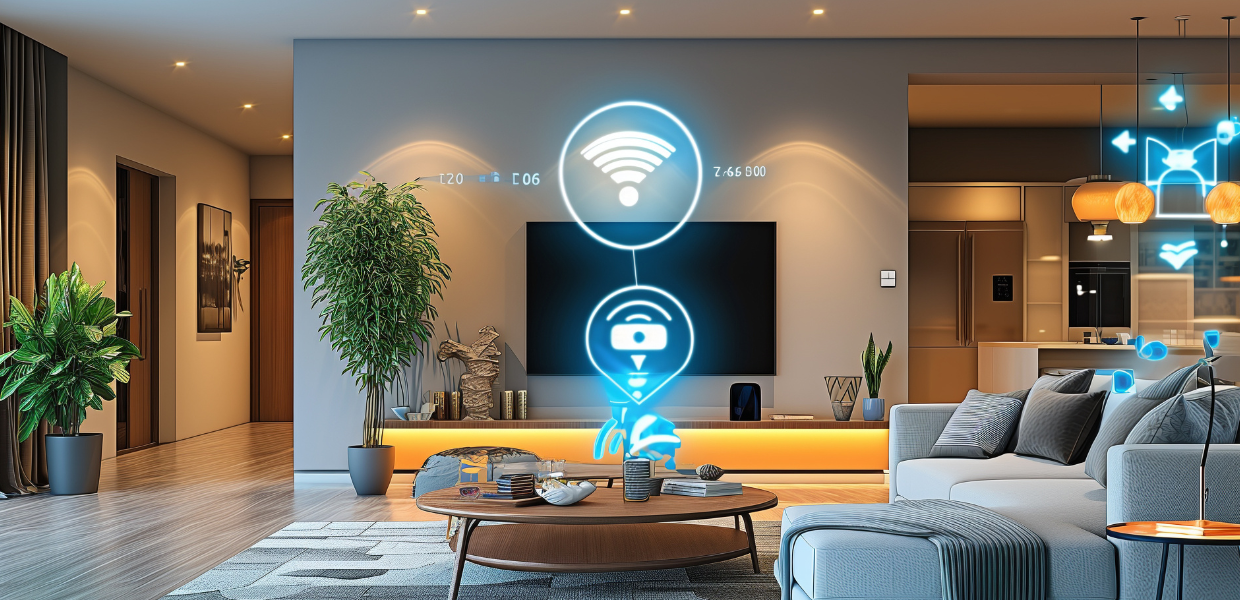
The Internet of Things (IoT) is now an integral component of modern hospitality, fundamentally transforming hotel operations and guest experiences. In 2025, IoT adoption in the hospitality industry reached 58%, enabling a higher level of personalization through automated mobile check-ins, keyless entry, smart room integrations, and in-room entertainment options.
The intersection between IoT and AI has further progressed how technology works for hotels and their guests. Hoteliers can anticipate guest needs with AI-driven insights and deliver individually-tailored solutions, such as automated room adjustments based on past preferences. This upgrade in IoT-enabled personalization not only boosts guest satisfaction but also encourages customer loyalty.
This digital revolution isn’t devoid of risk. A report by Starfleet Research found that 83% of those surveyed (372 respondents) reported at least one IoT-related security breach in the prior three years. This stark reality underscores the critical balance between innovation and protection when adopting such technologies in a dynamic hospitality environment.
Success belongs to those who can master the balance between leveraging innovative IoT technologies and protecting against the threat of cyberattacks.
Table of Contents:
What is IoT in Hospitality?
IoT in hospitality represents an ecosystem of interconnected devices and systems that communicate through the internet to enhance guest experiences and streamline operations. By the end of 2025, Gartner predicts that 70% of all customer interactions in the hospitality industry will involve IoT-enabled devices.
Think of IoT in the hospitality industry as a digital nervous system running throughout your property. Everything from room thermostats to door locks becomes “smart” through the use of embedded sensors and computer systems.
In practical terms, IoT in hospitality creates a network that enables hotels to:
- Automate services
- Personalize guest experiences
- Optimize operational efficiency
- Make data-driven decisions in real time
Modern IoT implementations now integrate AI to create truly intelligent systems. Guests control entire room environments through mobile apps before arrival. They unlock doors with their phones, stream personal content to in-room displays, and adjust settings with voice commands.
As one of the latest examples in the industry, IHG deployed voice assistants using Baidu DuerOS in China and Amazon Alexa in other markets across 100 smart suites. The technology shortened service response times by 30%, and over 50% of digital bookings now come through their mobile app.
Smart room systems are capable of learning from past stays and automatically pre-configuring settings. These interconnected systems collect and analyze real-time data on guest preferences, room conditions, energy usage, and numerous other metrics, thereby improving service delivery and reducing costs. Studies have shown that hotels with IoT energy management achieve annual savings between 20% and 25%.
10 Industry Examples of IoT in Hotels
IoT has taken hotel operations to new heights and guest experiences to new standards. Here are ten examples of impactful IoT solutions and their application in the hospitality industry.
1. Smart Room Controls & Voice Assistants
Voice-controlled systems and mobile app integration have transformed hotel rooms into responsive environments that adapt to guest commands. Guests now control lighting, temperature, entertainment, and services through natural conversation or smartphone taps. This technology has moved from luxury amenity to standard expectation across hotel segments.
Hilton’s Connected Room represents the most extensive deployment of smart room technology in the industry. The system is now available in over 1,700 hotels, with demand increasing significantly over the past year. Guests control in-room technology using the Hilton Honors app on their phones. They can personalize streaming preferences for Netflix, YouTube, and Tubi without complicated setup.
From January to August 2024, guests downloaded nearly 14.3 million digital keys. Streaming TV became one of the top Hilton.com filters that converts searches to actual bookings. Properties using connected room technology report that guest satisfaction scores increased by 8 points, and energy consumption dropped by 25%.
2. Guest Messaging Platforms
Guest messaging platforms centralize communication channels into unified systems. These systems enable hotels to communicate with guests via SMS, WhatsApp, Facebook Messenger, and other preferred channels. This shift is driven by clear guest expectations: 70% of guests now anticipate messaging options during their stay, and 64% of travelers prefer instant messaging over traditional calls or emails. Properties using messaging effectively see a 130% increase in average booking value compared to those relying on traditional communication methods.
Hilton Gabriel Miami South Beach deployed mobile messaging for guest communication in 2023. By June of that year, 63% of guests actively used the messaging feature during their stay. The impact on operations was dramatic. 100% of on-property issues were resolved through direct messaging (eliminating the need for phone calls). The platform reduced friction for both guests and staff while creating a permanent record of all service requests and resolutions.
3. Predictive Maintenance Sensors
Sensors empowered by IoT are designed to continuously monitor equipment performance across hotel properties. These systems use machine learning to detect anomalies and predict failures before they occur. The most common applications are HVAC systems, elevators, kitchen appliances, plumbing infrastructure, and electrical systems. Predictive maintenance sensors signal alerts weeks before potential failures, which helps crews schedule repairs during low-occupancy periods when they create minimal guest disruption.
The business case is compelling. McKinsey research shows predictive maintenance reduces maintenance expenses by 20-30% while cutting equipment downtime by up to 50%. Emergency repairs cost significantly more than planned maintenance, making proactive intervention extremely cost-effective. Hotels also see extended asset lifecycles for expensive equipment like HVAC systems and elevators, preserving hundreds of thousands in capital value.
4. Augmented Reality
AR technology is revolutionizing how guests interact with hotel environments, creating immersive and interactive experiences throughout their stay. Marriott and Accor have experimented with immersive property previews and VR-guided tours, with both chains reporting higher engagement and stronger booking intent. Hotel Art in Milan takes a different approach by integrating AR to enhance cultural experiences. Guests scan wall paintings with their smartphones to watch artist video content and learn about the artwork.
This technology extends to practical applications, such as 3D restaurant menus. Guests scan the menu to view dishes in three dimensions, helping them visualize their meal before ordering. Some properties also use AR for in-room device tutorials. Guests can scan items like coffee makers or TV remotes to receive visual, step-by-step instructions without needing to call the front desk.
This gamification and enhancement of the hotel experience represents a rapidly growing trend. Research indicates that the global virtual tourism market is projected to reach over $30 billion by 2030, growing at a CAGR of nearly 25% from 2025 to 2030.
5. Sustainability Technology
Smart technology helps hotels minimize their environmental impact. The Excelsior Hotel Ernst pioneered this transformation by investing in 100% green electricity and district heating while implementing an advanced building management system that continuously monitors and optimizes energy usage across their operations.
DoubleTree by Hilton Dartford Hotel took a different approach by installing three natural gas-powered CHP units and a modern Tridium BMS system. The results were dramatic: grid electricity dependence dropped 75%, and electricity usage per room sold fell from 40.01 kWh in 2022 to 20.46 kWh in 2023. The outcome resulted in 65% overall energy savings that delivered £376,911 in cost reductions within 12 months.
6. Hotel Mobile Check-In
Mobile check-in technology has revolutionized the traditional hotel arrival experience, with recent data showing that properties implementing this solution have seen significant operational improvements.
Mobile room key integration allows guests to bypass traditional check-in processes and use their smartphones to access rooms, elevators, and parking facilities, while also enabling them to select room upgrades during the digital check-in process.
The impact of mobile check-in extends beyond mere convenience, transforming how hotels allocate their human resources and enhance guest satisfaction. Wyndham Hotels & Resorts demonstrates this evolution, reporting that this technology not only enables staff to focus on more valuable guest-facing tasks but also helps protect hotels from chargebacks through advanced guest information verification.
A case study of City Center Business Hotels suggests that other properties implementing these hospitality IoT solutions may see a similar 35% reduction in check-in and check-out times, with the promise to enhance overall guest satisfaction.
7. Facial Recognition Technology
Facial recognition transforms the traditional hotel experience through advanced biometric systems that streamline operations while enhancing security and personalization.
The Jumeirah Hotel Group is a testament to this technology, which has implemented cutting-edge facial recognition technology that enables guests to manage their entire journey, from digital check-in to room access and amenity ordering, using only their facial biometrics. This contactless system not only enhances operational efficiency but also promotes a more sophisticated and secure guest experience.
Hotel facial recognition technology extends beyond basic identification, incorporating AI-powered features that enable hotels to deliver unprecedented levels of personalized service.
When guests approach various touchpoints throughout the property (whether it’s the restaurant, bar, or concierge desk), the system can instantly recognize them and provide staff with relevant contextual information, such as dining preferences, allergies, or recent service interactions that may warrant special attention.
This level of personalization transforms routine interactions into meaningful experiences that enhance guest satisfaction and loyalty.
8. AI Chatbots & Virtual Concierge
AI-powered chatbots and virtual concierges handle guest inquiries, bookings, and service requests 24/7 without human intervention. These systems use natural language processing to comprehend guest questions and deliver instant, accurate responses. Modern AI chatbots can handle up to 80% of routine customer inquiries, freeing staff to focus on complex guest needs that require personal attention. The adoption is widespread, with 89% of hotels now using AI for customer service operations.
Hilton’s “Connie” represents one of the most advanced virtual concierge deployments in the industry. This Watson-enabled AI robot sits at concierge desks and uses natural language processing to answer over 10,000 common questions about local attractions, hotel services, and amenities. Connie learns from each interaction and improves responses over time.
9. Service Robots
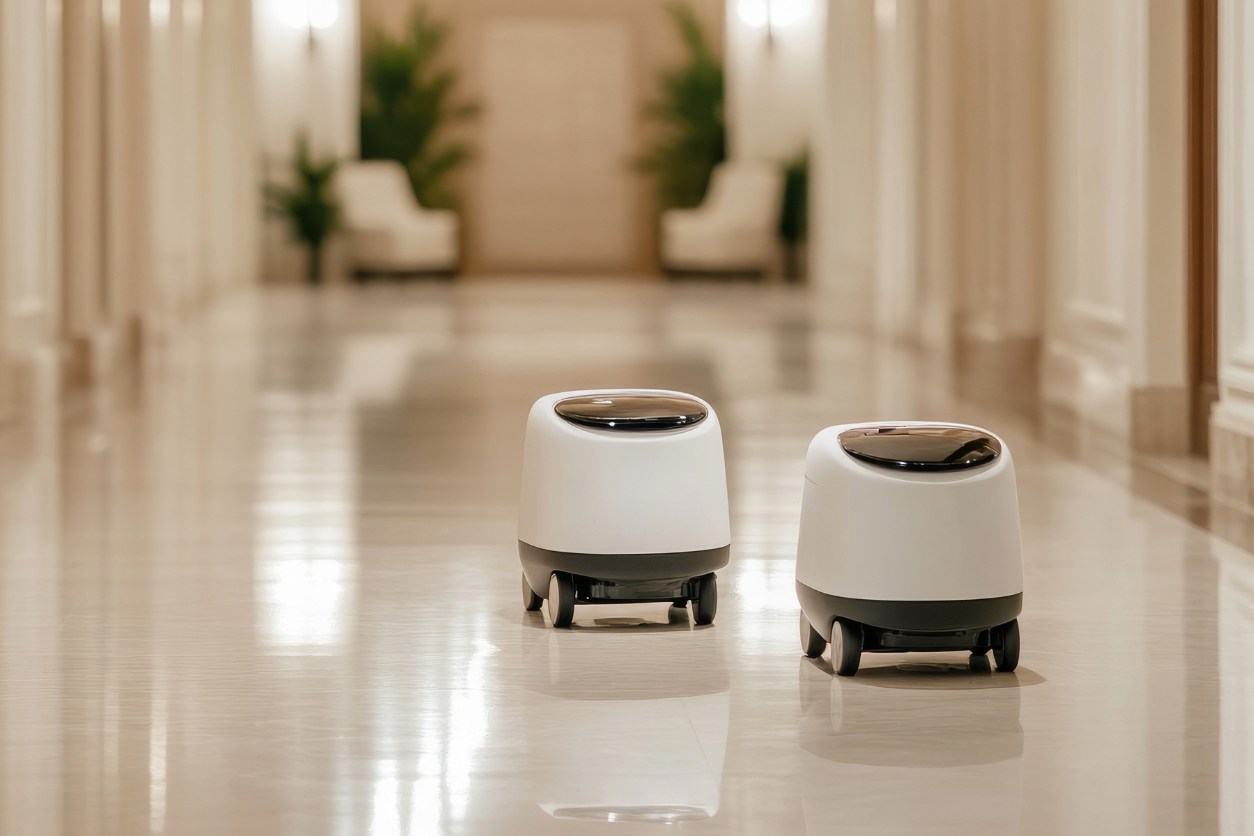
Service robots have emerged as versatile solutions for streamlining hotel operations and enhancing guest experiences through automated assistance. Relay Robotics and other leading providers have developed sophisticated robots that can deliver amenities, toiletries, and room service items directly to guest rooms, with the current CTO of Relay Robotics reporting delivery times as quick as 5-6 minutes. These robots navigate hotels autonomously, use sensors to avoid obstacles, operate elevators independently, and even notify guests upon arrival at their door.
The impact extends beyond simple deliveries, as hotels deploy robots for multiple service functions. Modern hotel robots can handle everything from vacuum cleaning to dirty laundry transport, allowing staff to focus on more complex guest interactions. This technological integration has proven particularly valuable during staff shortages, with properties like the Radisson Hotel in California successfully implementing robots to maintain service standards while reducing direct human contact when needed.
10. Virtual Reality
Virtual reality has evolved from a novelty toward being an essential tool for modern hotel operations and guest experiences. Marriott Hotels leads this transformation with its innovative VRoom Service, offering guests immersive 360-degree tours of destinations and rooms while also providing virtual experiences of local attractions and cultural sites that guests can enjoy from their rooms. This technology enables potential guests to make more informed decisions about their stays while providing unique in-room entertainment options.
The adoption of VR/AR in hospitality continues to increase, with industry analysis showing implementation is expected to grow at a rate of 34.2% from 2022 through 2028. Hotels are finding innovative applications beyond guest entertainment, with Hilton pioneering VR technology in staff training programs. Their Hotel Immersion program uses 3D computer graphics and video to simulate real-world scenarios for room service, housekeeping, and front desk employees, allowing staff to practice and perfect their skills in a risk-free environment.
Support Secure, IoT-Optimized Hotel Technology
Blueprint RF delivers robust managed networks and WiFi solutions that power the next generation of guest experiences. With cyber threats becoming increasingly sophisticated, Blueprint RF helps to protect your IoT infrastructure through enterprise-grade security protocols, advanced threat detection, and real-time monitoring.
Contact Blueprint RF today to learn how we can support your property’s transformation with secure, cutting-edge hospitality IoT solutions that promote both innovation and peace of mind.