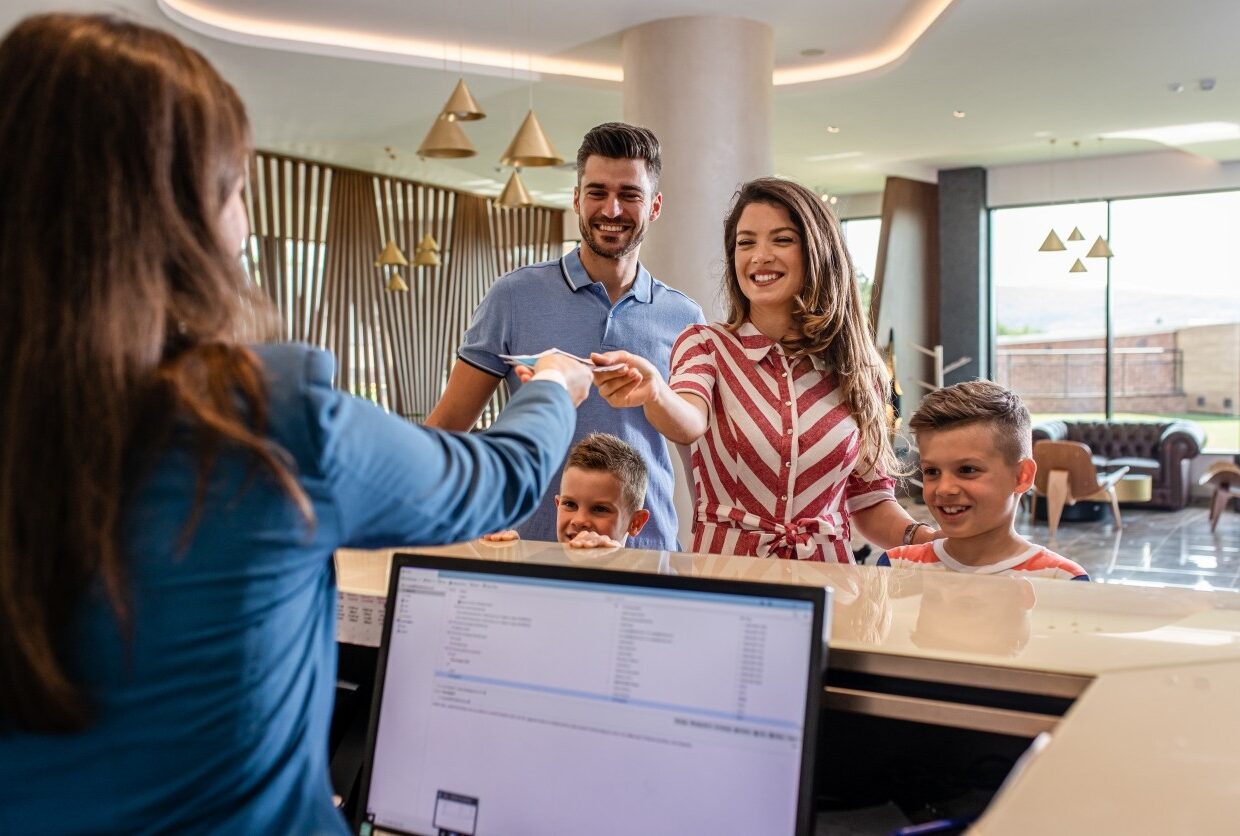
Hyper-personalized guest experiences are foundational to today’s hospitality landscape. According to research from Forrester, 62% of travel and hospitality decision-makers who personalize experiences say their efforts led to customer experience (CX) improvements that exceeded expectations. Even modest CX gains have a significant effect on revenue, says Forrester’s CX Index.
There’s a substantial gap between what guests want and what they often get. Research from Skift shows that 75% of travelers are interested in personalized offerings while booking their stay, with 60% of guests willing to pay more for extra amenities and unique services. However, Forrester’s findings indicate that only 25% of customers say their recent travel and hospitality experiences have met that standard.
What are the hotel personalization strategies that bridge the gap with guest expectations and missed opportunities? For starters, your hotel’s WiFi network knows more about your guests than your front desk does. Leveraging technology in the right ways can help you connect the dots in improving personalization. That’s just the tip of the iceberg.
Table of contents:
Hotel personalization encompasses all strategies, messaging, and services used to individualize guest experiences throughout their journey. This starts at booking, continues through their stay, and extends into post-visit follow-up.
Today’s travelers are craving a personalized experience tailored to their needs. According to a PWC report, over half (53%) of leisure travelers seek personalization. The report also found that business travelers of all ages, along with leisure travelers aged 30+, particularly value:
Cohesive hotel personalization strategies contribute to the overall goal of creating a custom-tailored guest experience. These experiences rely on critical technology touchpoints.

Hotels deliver personalization through technology touchpoints that span the entire guest journey. The most effective properties focus on three infrastructure-dependent categories.
More and more hotels are turning to mobile room keys that enable guests to check in and unlock their rooms with a tap of their phone. Not only does this reduce time and friction for guests when they check-in, but this integration minimizes the administrative overhead on front desk staff.
For example, a 42-room boutique hotel in Miami Beach reduced check-in time by 75% and saved $28,000 on plastic keys and front desk labor in one year. Mobile key adoption has surpassed 70% at major hotel brands.
Beyond providing high-speed internet connectivity, WiFi portals can collect insightful first-party data from guests when they log in. This valuable information helps hotels identify opportunities for personalization. For example, hotels can customize what guests see with targeted recommendations and local guides based on their data inputs.
At scale, hotels are replacing outdated paper binders with digital guidebooks, and they’re offering guests access to interactive maps, restaurant suggestions, and real-time updates before they arrive.
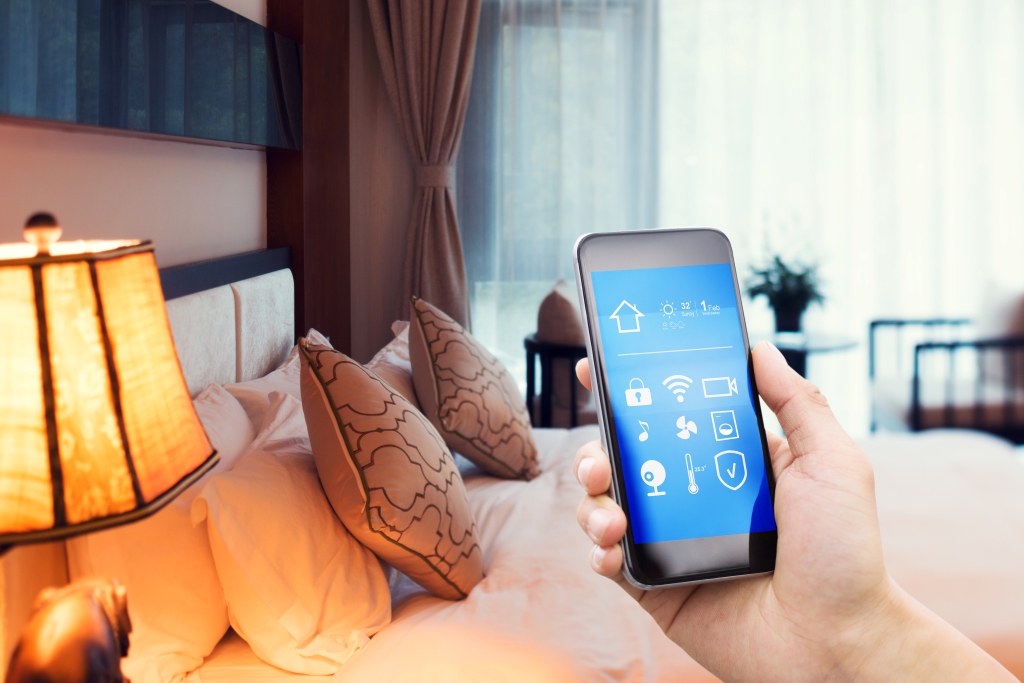
In-room technology is “smart” due to its ability to manage settings with voice controls and remember guest preferences. Guests can adjust room temperature and lighting through a simple conversation. IoT sensors learn from past stays to tune the room just right before guests even think about it. Studies show that smart energy management systems save between 20 and 25% in hotel energy costs.
There are five key strategies to implementing personalization in hotels. Using these techniques, hotels can increase customer satisfaction and improve profits, brand visibility, and return visits.
Personalization starts before guests walk through your door. Pre-arrival communication sets expectations and captures valuable preference data that shapes the entire stay.
Smart hotels send targeted messages based on check-in timing and trip purpose. A family checking in tomorrow gets information about kid-friendly activities. A bleisure traveler receives details about the hotel’s workspace facilities and spa amenities. As a powerful tool for upselling opportunities, gathering pre-arrival preferences from guests can prompt a room upgrade or spa package that seems helpful rather than pushy.
The key to success is communicating on channels where guests are active. Beyond email, hotels use text message, mobile apps, and platforms like WhatsApp to connect with guests. Properties that nail pre-arrival communication see higher guest satisfaction scores and increased ancillary revenue from upsells booked before check-in.
AI is now mainstream in helping hotels analyze guest data to personalize stays based on room types and add-ons that match their preferences. AI-powered booking engines engage with guests in real time with room recommendations, immediate booking support, multilingual assistance, and hyper-personalized responses.
Hyatt partnered with Amazon Web Services to use AI for personalized booking recommendations. The system analyzed customer data to suggest specific hotels within the Hyatt portfolio and then recommended add-ons based on past behavior and stated preferences. This single initiative boosted Hyatt’s revenue by $40 million in just six months.
This technology works by examining booking history, stay patterns, and feedback to predict what each guest will value most. The AI learns and improves with each interaction. For instance, a frequent spa goer is presented with wellness packages front and center, while a guest who always books luxury suites gets premium upgrade offers.
Generic loyalty programs treat all members with the same approach, not accounting for their unique preferences. Tailored programs adapt to individual travel habits. Custom loyalty programs are essential to personalizing the hotel guest experience.
Accor Live Limitless (ALL), Accor’s European-based loyalty program, focuses heavily on data-driven personalization. The program offers unique experiences like personalized welcome amenities and tailored activity suggestions based on individual profiles. This approach improved guest satisfaction and drove higher on-property spending. The pattern is clear: guests appreciate programs that recognize them as individuals rather than membership numbers.
According to Mehdi Hemici, Chief Loyalty & Ecommerce Officer at Accor, “The core of a loyalty program is indeed powered by data. Yet it’s the human touch which involves truly understanding the client at the end of that cycle, which is key. It’s the magic touch actually at the hotel which will make all of the difference. That’s what loyalty is about today.”
Hotel IoT solutions and connected devices create rooms that adapt to guest preferences automatically. The technology remembers settings from previous stays and adjusts without manual input.
The Peninsula Hotels uses an advanced guest data system that tracks preferences across multiple properties. The system remembers pillow types, room temperature, favorite drinks and snacks, preferred artworks, and even in-room fragrances. Business travelers and long-stay guests report increased loyalty and often extend their stays because the room feels genuinely personalized.
Hilton’s Connected Room technology lets guests control lighting, temperature, and entertainment through voice commands or mobile apps. Properties using this technology report 32% improvement in guest satisfaction scores. The convenience factor drives both positive reviews and repeat bookings.
Dynamic pricing customizes booking rates based on guest preferences and behaviors. Machine learning algorithms analyze guest data, booking patterns, and external factors like local events. A frequent spa user might receive discounted rates on rooms that include wellness credits. Business travelers get consistent corporate rates while leisure guests see package deals with included amenities.
Marriott International uses machine learning to analyze booking data and adjust prices in real time. Their AI-powered Group Pricing Optimizer uses price-elasticity modeling to recommend optimal group rates across properties. This innovation resulted in a 5-10% boost in revenue per available room and increased occupancy during traditionally slow periods.
The approach works because it tailors pricing with perceived value for each guest segment. Guests feel they’re getting fair rates that match their specific needs rather than arbitrary numbers.
These strategies just scratch the surface of personalization. Hotel owners and staff can leverage near limitless techniques to drive brand loyalty, increase revenue generated, and improve guest experiences. From targeted marketing techniques and customized upsells to personalized greetings and tailored WiFi packages, understanding hotel guests better helps exceed expectations for unforgettable experiences.
None of these opportunities are possible without responsive hotel WiFi. Hotel internet connectivity ensures reliable access to the guest data while providing the infrastructure to send emails, messages, and more. To implement successful personalization in the hospitality industry, hotels need to partner with a trusted internet provider.
Blueprint RF supports next level guest experiences with responsive internet connectivity for hotels, including personalization solutions. Contact us today to futureproof your hotel and offer extensive personalization.