Hotel housekeeping technology continues to introduce advanced systems that streamline operations and improve efficiency.
According to Interclean, a leading cleaning and hygiene industry hub, a Ritz-Carlton property improved housekeeping efficiency by 20% after adopting AI-driven scheduling. These gains matter as hotels continue to face staffing challenges.
A survey from the American Hotel & Lodging Association and Hireology found that 65% of hotels faced staffing shortages between late 2024 and early 2025. Housekeeping had the largest shortage, cited by 38% of respondents.
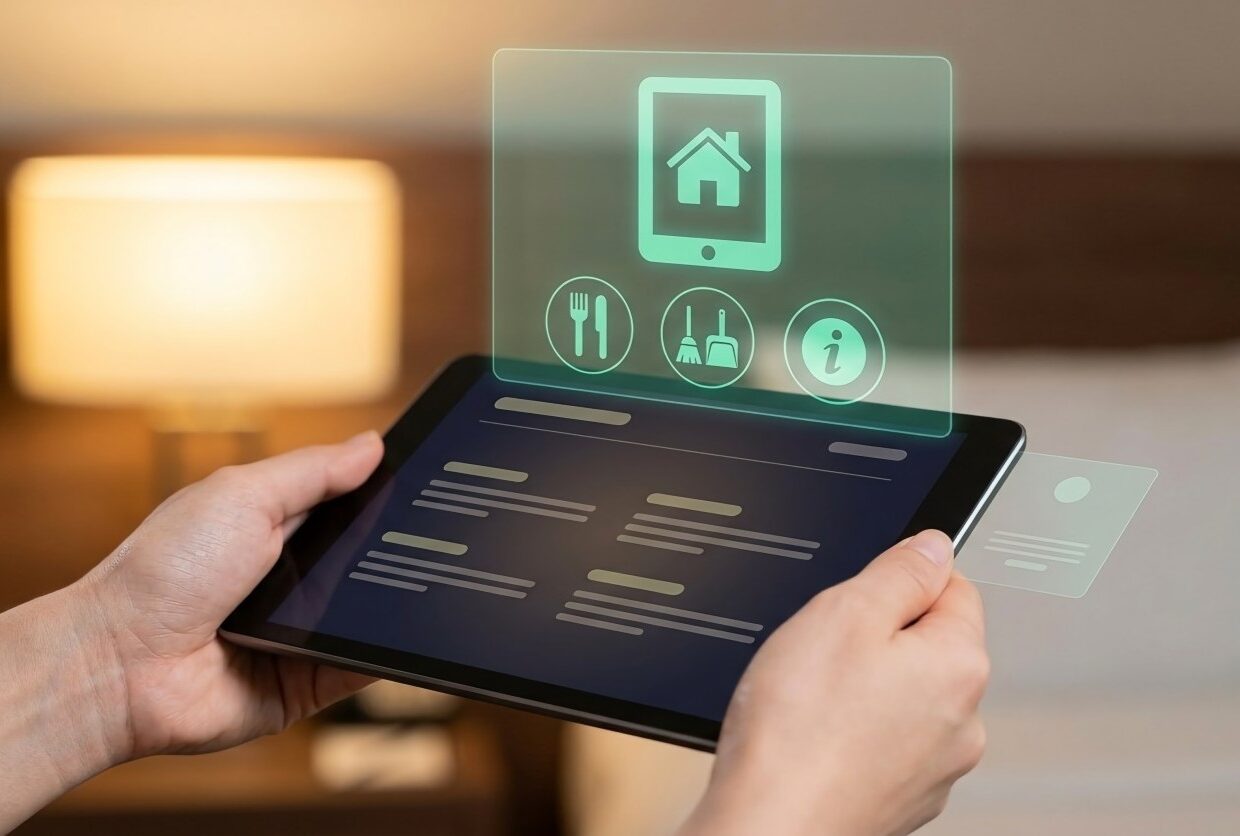
Hotel housekeeping technology helps teams coordinate cleaning, communicate room status and manage daily workloads more efficiently. Centralized dashboards, mobile tools and artificial intelligence can reduce manual work. They also give teams real-time information to help organize room assignments and stay in sync with the front desk.
The right technology can streamline operations while supporting a consistent guest experience. In this post, we explore the latest hotel housekeeping technologies and their potential benefits.
Table of Contents:
Hotel housekeeping technology encompasses a variety of tools and applications that are changing how hotels operate. Below is an overview of six types of housekeeping technology that hotels currently use to improve their operational processes.
A housekeeping management system brings room assignments, cleaning schedules and staff updates into one place. It can also move urgent rooms to the top of the list, such as those needed for early arrivals and VIP guests.
These platforms also improve coordination among housekeeping, the front desk and maintenance teams. A clear view of activity across the property can reduce lost handoffs and unnecessary travel. Over time, historical data can also reveal patterns in workflows and staffing.
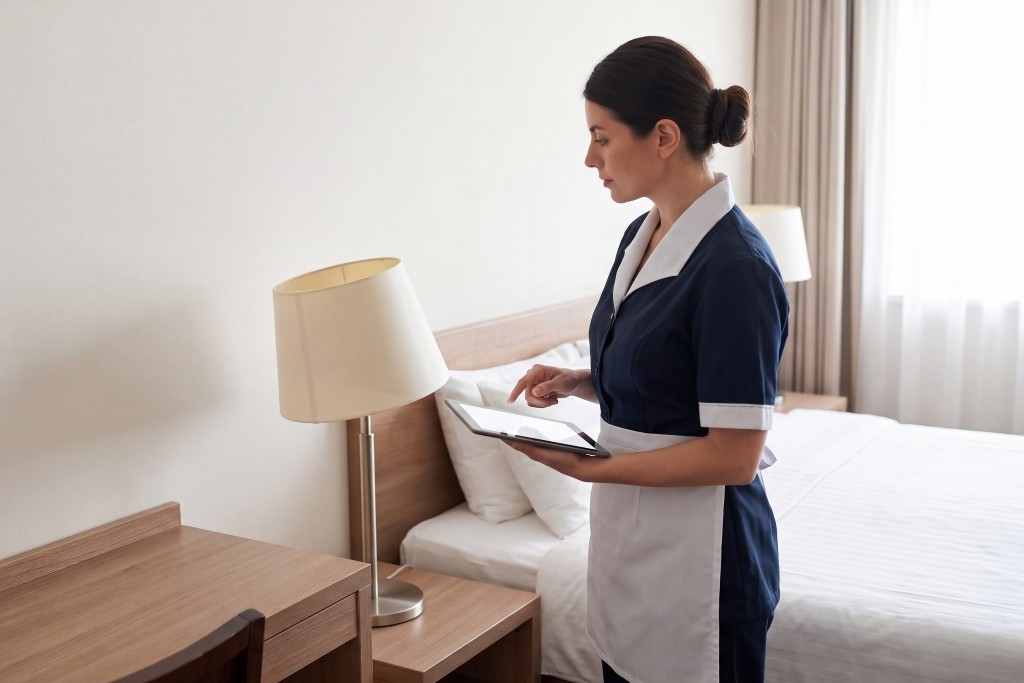
Mobile housekeeping apps send room and task assignments directly to staff members’ mobile devices. Employees no longer need to return to a central location for updates. They can also receive instant notifications when schedules or assignments change.
Staff can use mobile apps to report maintenance concerns or guest requests directly from a guest room. This reduces the need for radios and printed schedules. Employees can move throughout large properties, including convention center areas, golf courses and resort amenities, while staying informed and responding to guest needs.
Real-time task management gives managers a current view of which rooms are occupied, vacant, being cleaned or ready for guests. As conditions change, the system can automatically change task assignments. Managers do not have to spot and address every change manually. This helps staff focus on urgent needs, including:
Managers can also see workloads and task progress more clearly. This makes it easier to coordinate room needs with the front desk.
AI-driven housekeeping technology can create schedules based on occupancy rates, room status and expected demand. It can also forecast workloads during busy periods, helping managers plan assignments before demand peaks.
Research conducted by HFTP indicates that hotels using AI-powered scheduling have cut labor costs by 15%-20%. AI can also uncover patterns in historical data that help managers make better staffing and resource decisions. Hotels can use AI to support housekeeping staff while keeping employees at the center of the guest experience.
Automation streamlines repetitive parts of a housekeeping shift. When room status changes, automated notifications can alert staff to new assignments or updates. A guest checkout can also trigger a digital workflow without requiring a phone call.
Automated alerts can notify staff of maintenance or operational issues and share information with other hotel systems. Automating repetitive tasks can reduce errors, give employees more time for higher-value work and ease managers’ administrative workload.
Connected room technology gives housekeeping teams useful information without requiring staff to inspect every room manually. Occupancy sensors and connected devices can show whether a room or shared space is in use. This helps staff avoid unnecessary checks. One property analysis found that occupancy-based room status updates reduced unnecessary housekeeping checks by 35%.
Smart thermostats and Internet of Things (IoT) devices can provide more information about activity across the property. These tools help housekeeping teams respond to guest behavior rather than relying only on estimates or assumptions. Together, they can support more efficient management of guest rooms and common areas.
Even efficient housekeeping teams can experience friction when demand spikes, staffing is limited and information moves slowly between departments. The right hotel housekeeping technology can address these challenges by improving visibility, communication and coordination.
Solution: Smarter scheduling and room assignments. Live occupancy and cleaning data can help managers determine which rooms need attention first. They can also distribute workloads and make better use of available staff during peak check-in and check-out periods.
Solution: Centralized housekeeping platforms. Digital platforms show managers current room status, assignments and cleaning progress. This reduces the need for clipboards, printed lists and radio calls.
Solution: Mobile communication tools. Housekeepers can update room status as soon as cleaning is complete. The front desk can then see sooner which rooms are ready for arriving guests.
Solution: Real-time task management. Connected systems can change the order of tasks as conditions shift. This helps teams clean the right rooms at the right time.
Solution: Operational dashboards and automation. Managers can monitor progress across the property. They can also automate tasks such as scheduling, inspection tracking and supply requests.
Solution: Integrated systems. Linking housekeeping technology with a property management system (PMS) can help housekeeping, maintenance and the front desk work together. Information can flow from guest checkout through room readiness.
These technologies can also generate operational data that helps managers identify patterns in cleaning times, occupancy and staffing needs. Over time, these insights can support better scheduling and resource decisions.
Housekeeping technology works best when it connects with other hotel systems. Hotels can link housekeeping tools with property management systems, front desk operations, maintenance platforms, guest request tools and smart room technology. These connections departments work with the same information.
For example, a guest checkout automatically triggers a housekeeping task. If an employee spots a maintenance issue while cleaning, the system will then send it directly to the appropriate team. Real-time room status updates also show the front desk which rooms are ready.
These connected tools depend on reliable WiFi throughout guest rooms, hallways and service areas. Coverage gaps can interrupt mobile applications, delay room updates and disrupt staff communication. Property-wide network design can help support both operational technology and guest WiFi.
Connected housekeeping platforms can also collect data on:
Managers can use these insights to identify bottlenecks, adjust staffing and improve scheduling. Over time, this information can help housekeeping teams plan ahead instead of reacting to daily demands.
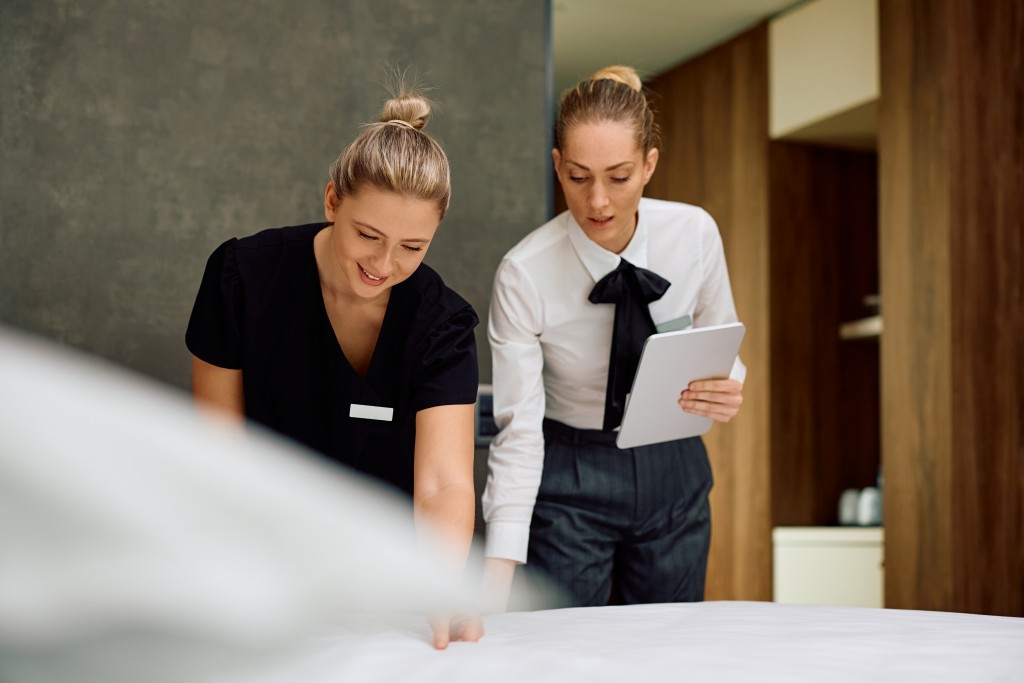
The right housekeeping technology should match your property’s size, workflows and existing systems. It should also be easy for staff to use. Look at how well a platform works with your property management system and other connected technology. Mobile features, reporting tools, room for growth, training and ongoing support should also factor into your decision.
Reliable WiFi is also essential for keeping these systems working across the property. Blueprint RF designs and manages custom WiFi networks built for hotel environments. Real-time monitoring, analytics and dedicated support help keep housekeeping and other operational technology connected. Contact Blueprint RF to build a network that can support your hotel’s evolving technology needs.
Hotel housekeeping technology refers to digital tools and connected systems that support cleaning and room management across a property. This can include housekeeping software, mobile applications, automated workflows, smart room devices and integrated operational platforms. These tools help teams manage assignments, communicate room status and coordinate work throughout the hotel.
Hotels can improve housekeeping efficiency with digital room assignments, real-time task management and mobile tools. These systems help employees continue working without returning to a central office for updates. Automation can also reduce manual work and communication errors. Operational data helps managers spot patterns and make better staffing and scheduling decisions.
AI can analyze current and historical demand to help managers prepare for busy periods. It can recommend staff assignments and determine which rooms need attention first. AI can also analyze housekeeping performance over time. These insights help managers spot recurring workflow problems and make adjustments.
Hotels can automate room assignments, cleaning notifications and room status updates. Systems can also automate task order and maintenance alerts. A guest checkout or other change in room status can trigger an entire workflow. This reduces the repetitive manual steps that can slow teams down.
Faster room turnaround and more accurate room status information help properties get rooms ready sooner for arriving guests. Faster responses to guest requests and better coordination between departments reduce the friction guests notice most during their stay. Together, these improvements support more consistent housekeeping operations from check-in through checkout.
WiFi supports mobile housekeeping apps and connected devices throughout a hotel. Strong wireless coverage allows employees to receive assignments and send updates from guest rooms, hallways and service areas. Reliable WiFi also supports real-time communication, cloud-based platforms, smart room devices and other technology housekeeping teams use each day.